
Perimenopause and Weight
Understanding Weight Gain in Perimenopause From a Bariatric Physician's Perspective
If your body feels different despite doing all the right things, you are not alone, and you are not failing.
Perimenopause is one of the most misunderstood transitions in a woman's life.
As a board-certified bariatric physician who helps women every day, I want to walk you through what is actually happening in your body, why weight becomes harder to manage, and how we can work together to address it effectively.
What Is Perimenopause?
Perimenopause is the transitional phase before menopause when ovarian hormone production begins to change.
It can last several years, often through your 40s and into your early 50s, and it is not just about irregular periods. It is a time of significant hormonal fluctuation that affects nearly every system in your body.
Hormonal Shifts: The Engine Behind Change
Estrogen Changes
Estrogen helps regulate metabolism, muscle mass, fat distribution, insulin sensitivity, and appetite. As estrogen declines, the body may store fat differently, especially in the abdominal region.
Progesterone Decreases
Progesterone plays a role in calming the nervous system and maintaining sleep. Lower progesterone can mean more cravings, bloating, and disrupted sleep.
Insulin Sensitivity Declines
This can make the body more prone to storing glucose as fat and may raise the risk for prediabetes or type 2 diabetes.
These hormonal shifts make weight gain more biological than behavioral, meaning it is not simply a matter of willpower.
Body Changes Beyond Fat Gain
Fat Redistribution
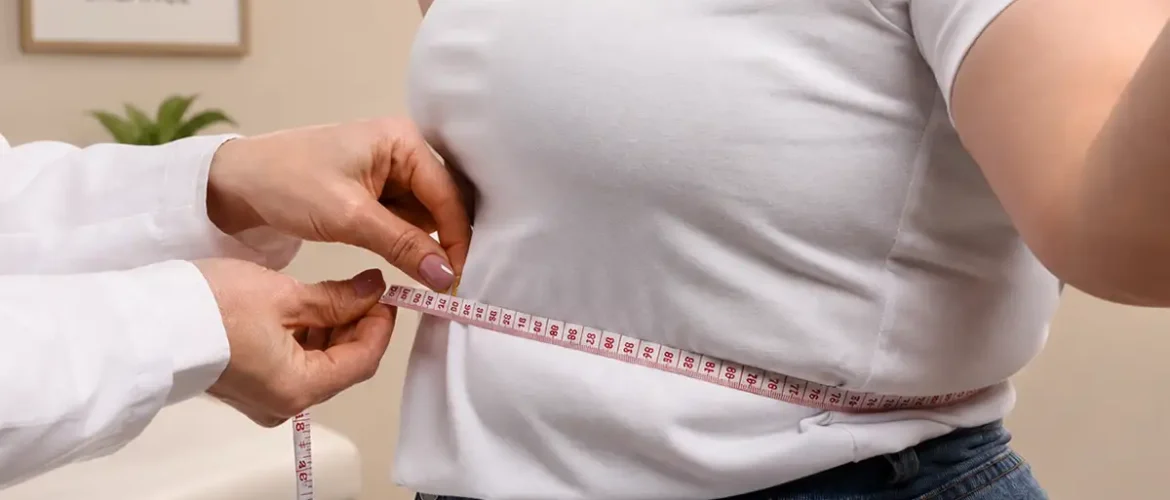
What many women describe as extra belly fat is real and rooted in biology. As estrogen declines, fat tends to move from the hips and thighs toward the abdomen, particularly visceral fat, which surrounds the organs and is metabolically active.
Muscle Loss
Adults naturally lose muscle mass over time, and during perimenopause this process may accelerate due to hormonal changes. Because muscle is metabolically active, less muscle can mean a lower resting metabolic rate.
Over time, this makes weight control harder, even without major changes to diet or activity.
Sleep Is a Key Piece of the Puzzle
Poor sleep is not just frustrating. It can biologically promote weight gain.
- Night sweats and hot flashes can disrupt sleep cycles.
- Sleep deprivation can increase hunger signals and reduce satiety signals.
- Poor sleep can elevate cortisol, a stress hormone tied to cravings and abdominal fat storage.
This can create a feedback loop: poor sleep leads to cravings and fatigue, cravings and fatigue make healthier lifestyle choices harder, and weight continues to creep up.
Why Addressing It Now Matters
Perimenopause is more than a phase. It is a window of opportunity.
If we wait until menopause has fully set in, many metabolic shifts may already be more established, and the body may become more resistant to traditional diet and exercise approaches.
- Increased total body fat with a more abdominal pattern
- Reduced lean muscle mass
- Greater likelihood of insulin resistance
Catching these changes early and addressing them with a tailored plan can mean the difference between manageable midlife changes and years of frustration.
A Realistic, Supportive Approach
If you are struggling with weight gain during perimenopause despite eating well and exercising, it is not because you are weak. It is because your body is in biological transition.
- Hormone-sensitive medical weight loss strategies
- Personalized nutrition plans focused on protein to protect muscle
- Sleep optimization and stress management
- Strength training support to preserve and build muscle
- Metabolic assessments and medical interventions when appropriate
Move Forward With Confidence
Perimenopause does not have to work against you.
If your metabolism has changed, your sleep is suffering, or your weight will not budge no matter what you try, there are effective ways to address it.