

Who Is a Good Fit?
Perimenopause Weight Gain
Physician-guided support that fits midlife.
If your body changed "overnight" in your 40s or early 50s, you are not imagining it, and you are not failing.
Many women notice weight gain, lower energy, worse sleep, increased cravings, and stubborn belly fat during perimenopause, even when they have not changed much. Perimenopause can affect metabolism, insulin sensitivity, stress response, sleep, muscle mass, and fat distribution.
At Rochester Medical Weight Loss, we support women through this transition with an in-person, physician-guided plan built around your body, your health history, and your real life, not a one-size-fits-all online program.

Signs This Might Be You
You may relate to this profile if:
- You are gaining weight more easily than you used to, especially around the abdomen.
- Your energy is lower, and your sleep is more disrupted.
- Your cravings feel stronger or harder to manage.
- You are doing "the right things," but progress is slow or inconsistent.
- Your stress feels higher, and it is affecting your appetite and routines.
The Short, Useful Version
Why perimenopause can change weight
Perimenopause is a transition phase when estrogen and progesterone fluctuate. These shifts can affect how your body responds to food, sleep, stress, and movement.
Blood sugar
Hormone shifts can affect insulin sensitivity and how your body handles blood sugar.
Appetite signals
Appetite and satiety signals may feel different, including stronger cravings or less predictable fullness.
Sleep quality
Sleep influences hunger hormones, cravings, energy, and consistency.
Stress response
Cortisol can affect appetite and fat storage patterns, especially during higher-stress seasons.
Muscle maintenance
Midlife muscle loss can lower metabolic rate over time, which can make old strategies less effective.
The plan needs to match now
That is why "eat less and move more" often stops working the way it used to. The plan needs to match your physiology and lifestyle now, not the version of you from 10 years ago.
Physician-Guided + Practical
How Rochester Medical Weight Loss helps
Perimenopause weight loss often works best when medical insight, nutrition structure, body composition tracking, and realistic routines are brought together.
We start with a medical baseline
Before choosing any strategy, especially medication, Dr. Conley evaluates what is happening in your body.
- Complete physical exam
- Bloodwork
- InBody body composition analysis for fat, muscle, and body water
This helps us identify metabolic and nutritional factors that may be contributing to weight gain and ensures your plan is safe and appropriate.
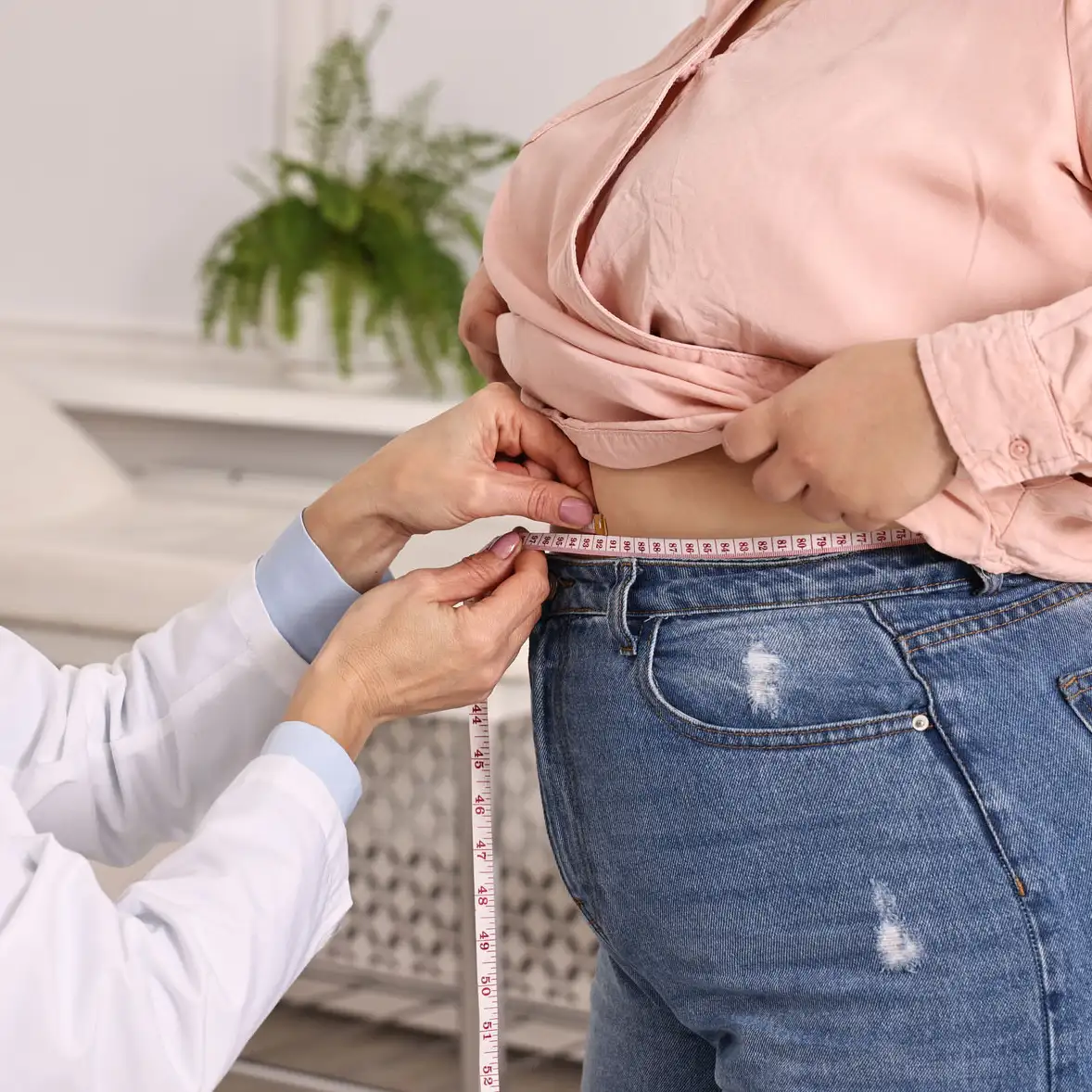
We measure progress beyond the scale
Midlife weight loss can involve normal water shifts, sleep changes, stress, and hormonal fluctuations, and the scale can be misleading.
That is why we track body composition trends over time to measure meaningful change and guide smart adjustments.
Technology for Weight Loss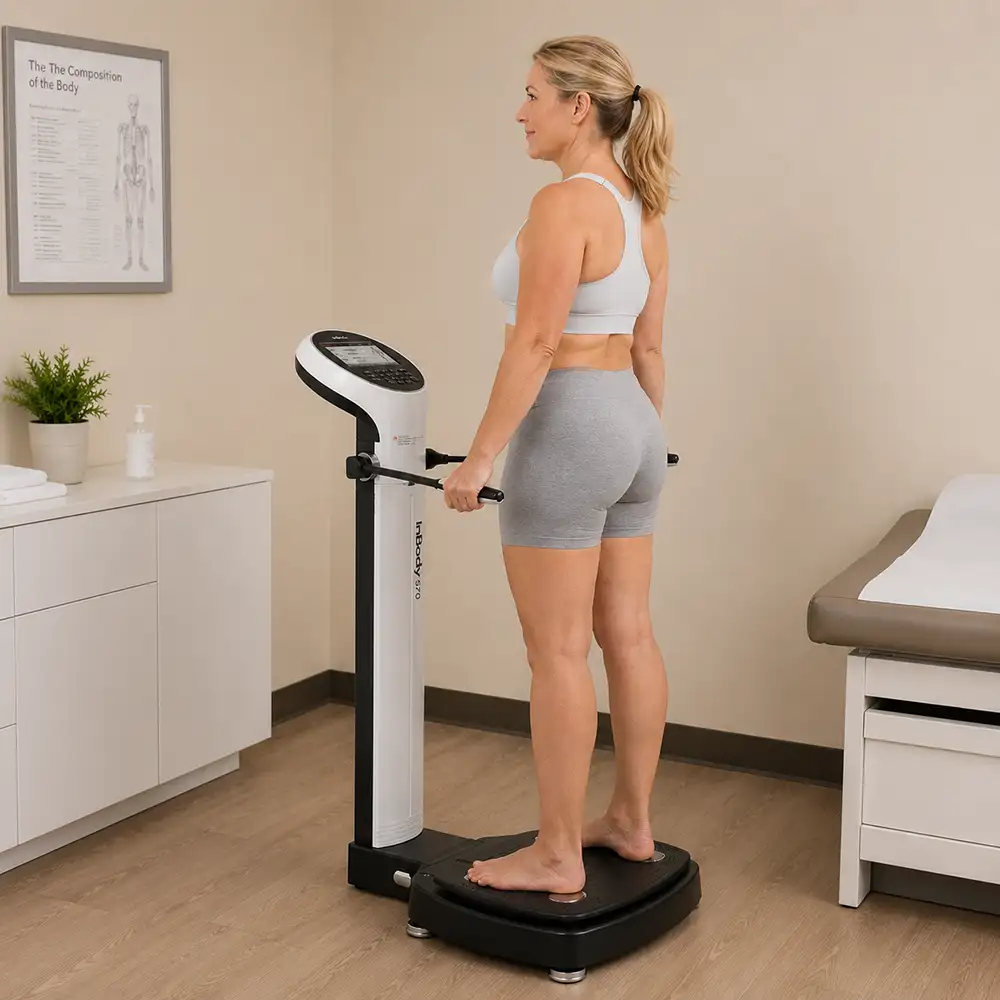
Your plan may include one or more tools
Perimenopause often responds best to a combination approach, not extremes.
Whole-Food Meal Plan
A flexible grocery-based framework designed to support metabolic health and consistency.
Real-Food Meal PlanNew Direction® Program
For some women, meal replacements add structure on busy days while you build long-term real-food habits.
New Direction® ProgramMedication Options
For some women, medication can support appetite control and satiety during this transition.
Medication Options
Accountability + education
Perimenopause weight loss is not just a food plan. It is a routine plan.
- Practical meal routines you can repeat
- Strategies for cravings and evening hunger
- Protein-forward habits to help support lean mass
- Movement guidance that fits your body and energy now
- A maintenance mindset early, so results can stick long-term

What Success Looks Like
Success in perimenopause is not perfection.
It is a plan that helps you feel steadier, understand your body, and build a path that works through real life.
- Steadier energy and fewer crashes
- Less all-or-nothing eating
- Measurable progress beyond the scale
- A routine that works during stressful weeks
- A long-term plan that supports metabolic health and maintenance
Results vary, but the goal stays the same: healthier weight loss and a realistic path to keeping it off.
Not Sure Where to Start?
Take the Diet Readiness Behavioral Questionnaire
It helps identify barriers like stress eating, sleep disruption, cravings, and inconsistent routines so we can recommend the best mix of support.
Perimenopause FAQs
Common questions about perimenopause and weight gain
Is perimenopause the same as menopause?
Not exactly. Perimenopause is the transition phase leading up to menopause, when hormones fluctuate, and symptoms can begin, often in the 40s and sometimes earlier.
Why am I gaining weight even though I am eating the same?
Hormonal shifts can affect insulin sensitivity, appetite regulation, sleep, stress response, and where the body stores fat. Many women also lose muscle more easily in midlife, which can lower metabolism over time.
Why does the weight seem to go to my belly now?
During perimenopause, fat distribution often shifts toward the abdomen. This is common and can feel sudden.
Do I need to do extreme dieting to lose weight in perimenopause?
No, and extreme restriction often backfires. Our focus is on building a physician-guided plan that supports metabolic health and protects lean mass while creating sustainable nutrition habits.
Will you recommend medication?
Medication is one tool that may be appropriate for some women, depending on medical history, lab results, goals, and safety considerations. It is never one-size-fits-all, and it is monitored in person as part of a complete plan.
Do you use meal replacements for perimenopause?
Sometimes. Meal replacements can add structure on busy days while you build real-food habits. We personalize our approach to your goals and lifestyle.
What is the first step?
Start with a complimentary consultation so we can hear your story and recommend the best-fit strategy. If you are not ready to schedule yet, the Diet Readiness Behavioral Questionnaire is a helpful first step.
You do not have to figure this out alone.
You do not have to fight your body.
Schedule a complimentary consult or call (585) 485-0802 to start with a physician-guided plan built around your body and your real life.