

Who Is a Good Fit?
Yo-Yo Dieter
Break the cycle with physician-guided support.
If you have lost the same weight, and regained it, more times than you can count, you are not bad at dieting.
You are stuck in a cycle that is common, biologically real, and emotionally exhausting. The problem usually is not effort. It is that most plans are built for short-term weight loss, not metabolic health and long-term maintenance.
At Rochester Medical Weight Loss, we help yo-yo dieters reset with in-person, physician-guided care, measurable progress tracking, and a plan that adapts to your real life, not a one-size-fits-all app protocol.

Signs This Might Be You
You might relate to this if:
- You have lost 15 to 50 pounds before and gained it back, sometimes multiple times.
- You do great for a few weeks, then life hits and the plan collapses.
- You have tried low carb, fasting, shakes, points, keto, clean eating, and the latest trend.
- You are tired of obsessing over food and tired of blaming yourself.
- Your energy, hunger, cravings, or sleep feel out of whack, even when you are trying.
Why Yo-Yo Dieting Keeps Happening
It is not about willpower.
Most diets fail because they are built on rules, not physiology. When you lose weight quickly or repeatedly through restriction, your body and routines often push back.
Hunger signals increase
Restriction can make hunger feel louder and harder to ignore over time.
Energy can drop
Low energy makes planning, movement, and consistency much harder to maintain.
Cravings can intensify
Rigid plans can increase the mental pull of the foods you are trying to avoid.
Stress and sleep matter
Stress and sleep disruption can make appetite, cravings, and recovery harder to manage.
Maintenance gets skipped
Many diets do not teach what happens after the weight loss phase, so rebound becomes likely.
Change the system
The goal is not try harder. The goal is medical insight, structured tools, consistent accountability, and a maintenance plan from day one.
Physician-Guided + Practical
How Rochester Medical Weight Loss helps you get back on track
This is the difference between dieting and medical weight management.
We start with a real medical baseline
Before choosing any strategy, especially medication, Dr. Conley first evaluates what is happening in your body.
- Complete physical exam
- Bloodwork
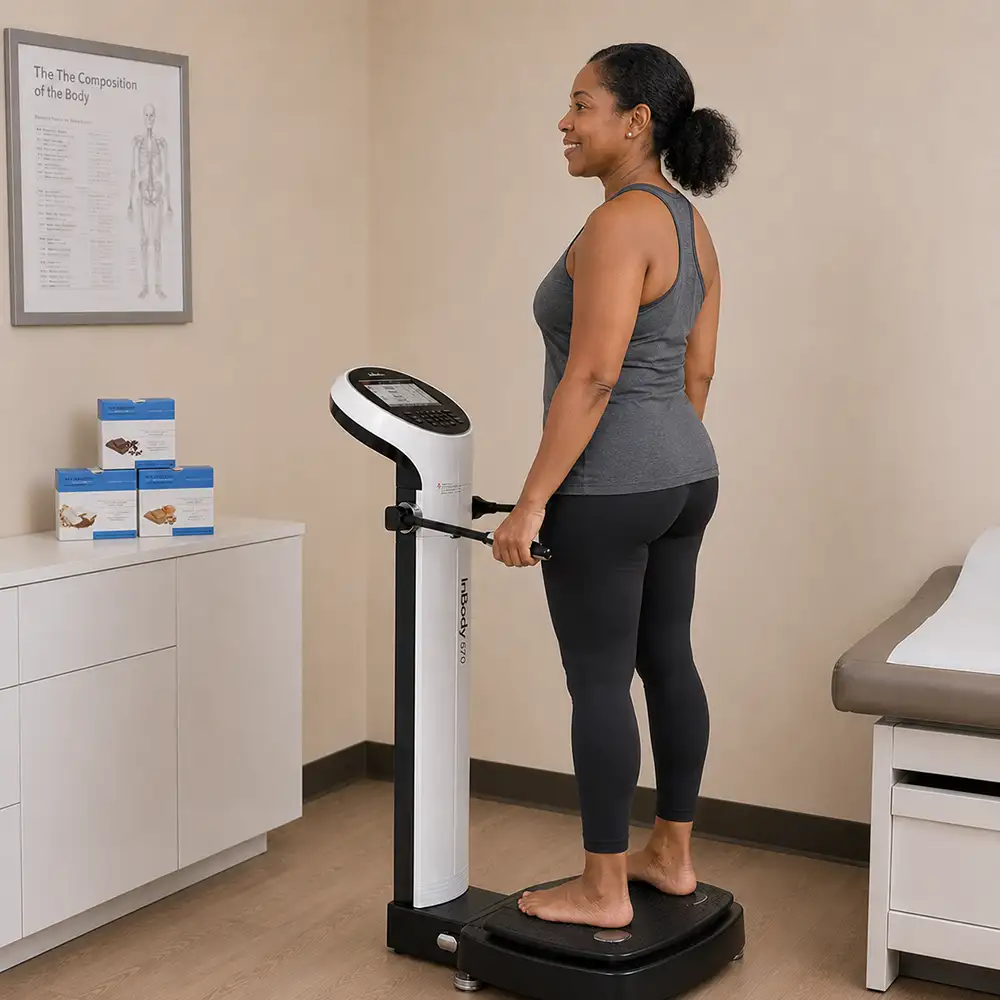
- InBody body composition analysis for fat, muscle, and body water
This helps us identify metabolic or nutritional factors that may be working against you, and it ensures your plan is appropriate and safe.
We measure progress beyond the scale
Yo-yo dieting often trains people to obsess over weekly scale swings.
We track body composition, so you can see meaningful progress over time, including fat loss and lean mass trends. This helps us adjust your plan sooner and reduces the "I am failing" spiral that happens when the scale does not move for a week.
Technology for Weight Loss
Your plan may include one or more tools
Yo-yo dieters often do best with a combination strategy because one tool rarely solves everything.
Whole-Food Meal Plan
A flexible grocery-based plan that fits your life with structure, not chaos.
Whole-Food Meal PlanNew Direction® Program
Structure can be a game-changer when decision fatigue is part of the cycle. Meal replacements can provide consistency, full or partial, while you rebuild sustainable habits.
New Direction® ProgramMedication Options
For some patients, medication can reduce hunger, improve satiety, and support weight loss when lifestyle tools alone have not been enough.
Medication Options
Accountability + education
Yo-yo dieting is often a support problem, not a knowledge problem.
- A realistic nutrition routine you can repeat
- Strategies for stress eating, travel, weekends, and social situations
- A maintenance mindset early, so success is not defined by short-term restriction
- Ongoing visits and check-ins to adjust your plan as life changes

What Success Looks Like
Success is not perfect eating.
It is having a plan you can repeat, adjust, and maintain without suffering.
- Progress you can measure
- A plan you can repeat on hard weeks
- A body and metabolism that feel more stable
- A maintenance strategy that does not require suffering
Results vary, but the goal is always the same: healthier weight loss with a path to keeping it off.
Patient Success Stories
Support that helps the plan become sustainable
These stories are shared as examples of patient experience. Results vary.
Yo-Yo cycle broken
"Dr. Conley turns knowing what to do into practical, life-changing actions. It is sustainable."
Google Reviewer, Stacy R.
Results vary.
Real & Lasting Results
“I’ve lost 79 lbs and 10 inches at my waist. The tools and support made the difference.”
Google Reviewer, Lynne M.
Results vary.
Caring Support
"I lost 30 lbs and feel amazing. Caring team and a welcoming office — no judgment."
Google Reviewer, Sherise U.
Results vary.
Accountability + long-term
"Personal attention provides the accountability and knowledge to help you shed weight in a healthy, lasting way."
Google Reviewer, Kenneth B.
Results vary.
Not Sure If This Is You?
Take the Diet Readiness Behavioral Questionnaire
It helps identify the habits, stress patterns, and barriers that may be driving the cycle so we can recommend the best mix of support.
Yo-Yo Dieter FAQs
Common questions about breaking the cycle
Do I have to do meal replacements to succeed?
No. Some patients prefer a whole-food plan, some use partial meal replacement for structure, and some combine both. We tailor the approach to what you can realistically sustain.
Will you push GLP-1 medications?
No. Medication is one tool that may be appropriate for some patients. Dr. Conley makes recommendations based on your medical history, labs, goals, and safety.
Why does my weight come back so fast after I stop dieting?
Many restrictive diets do not include a maintenance strategy. We build a plan that supports metabolic health and long-term habits early, so you are not relying on extreme rules to keep weight off.
What if I have tried everything?
That is common. We start with a medical baseline and then choose tools strategically, such as whole-food planning, meal replacements, accountability, and sometimes medication, rather than repeating the same cycle with a new label.
How often will I come in?
It depends on your plan and goals, but regular check-ins are part of what makes physician-guided, in-person care different from online programs.
What is a good first step if I am not ready to book?
Take the Diet Readiness Behavioral Questionnaire. It helps identify the barriers and patterns we should address first.
You have already proven you can lose weight.
The next step is learning how to keep it off with support.
Schedule a complimentary consult or call (585) 485-0802 to start with a plan built for your body, your life, and long-term maintenance.