
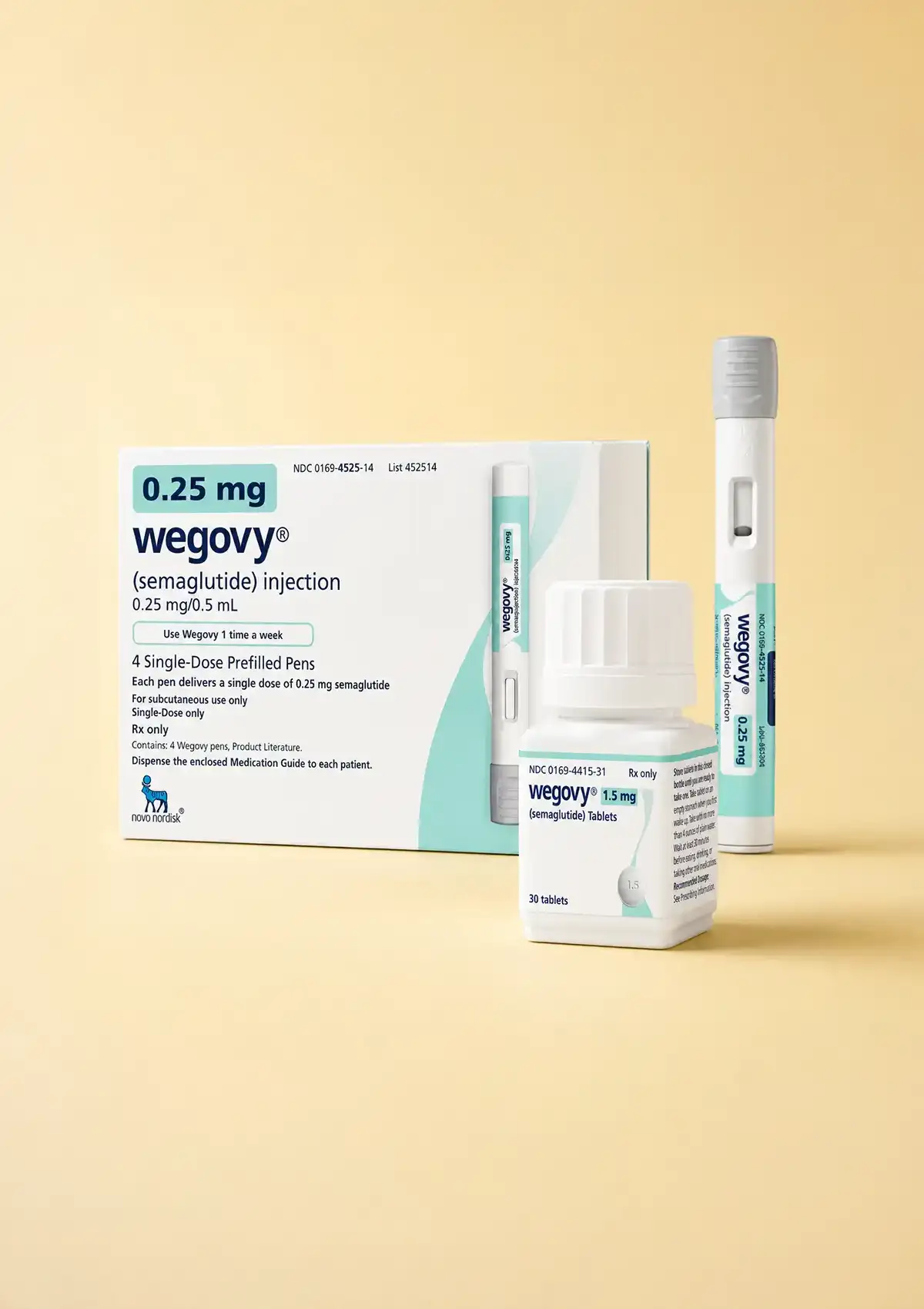
Semaglutide
Wegovy® / Wegovy® pill
Semaglutide is a GLP-1 receptor agonist. Wegovy® injection and Wegovy® pill are weight management options, while other semaglutide brands may be used for diabetes care.

Medication-Assisted Weight Loss
Two powerful tools. Different hormone pathways, different options, and different fit.
If you are researching GLP-1 medications, you will see two names everywhere: semaglutide and tirzepatide. Both can support meaningful weight loss when used as part of a long-term, physician-guided plan, but they are not identical.
At Rochester Medical Weight Loss, Dr. Conley helps patients choose the safest and most effective option based on medical history, goals, side-effect tolerance, lifestyle, and access.
Semaglutide
Semaglutide is a GLP-1 receptor agonist. Wegovy® injection and Wegovy® pill are weight management options, while other semaglutide brands may be used for diabetes care.
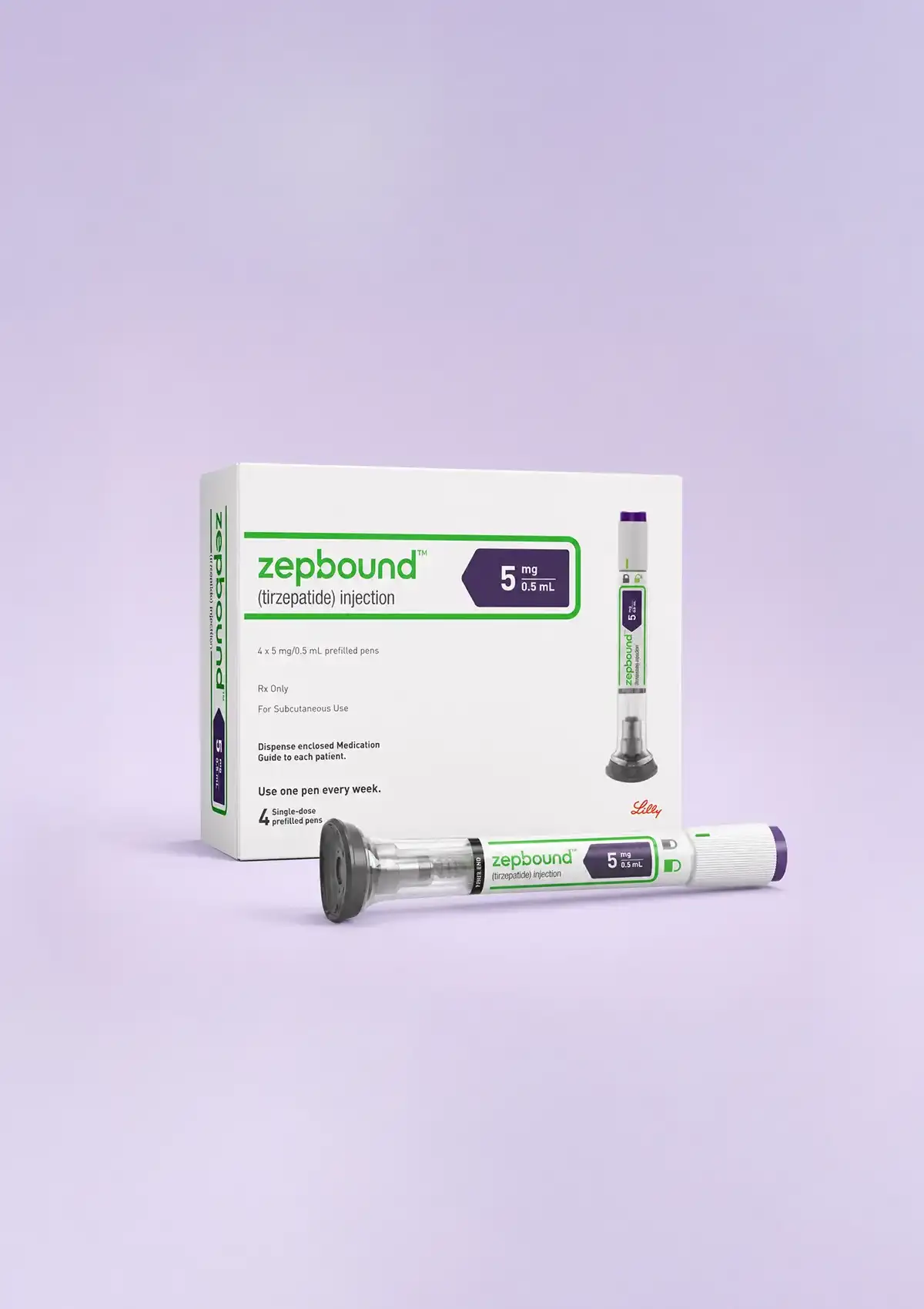
Tirzepatide
Tirzepatide is a dual GIP and GLP-1 receptor agonist. Zepbound® is approved for chronic weight management and is taken as a weekly injection.
Quick comparison
This high-level chart helps explain the practical differences patients often ask about during a medication-assisted weight loss consultation.
| Topic | Semaglutide | Tirzepatide |
|---|---|---|
| Drug class | GLP-1 receptor agonist | Dual GIP + GLP-1 receptor agonist |
| Common brands | Wegovy® for weight management; Ozempic® for diabetes | Zepbound® for weight management; Mounjaro® for diabetes |
| How it is taken | Weekly injection; Wegovy® pill is a once-daily oral semaglutide option in the U.S. | Weekly injection |
| Dose escalation | Start low and increase gradually to reduce side effects | Start low and increase gradually to reduce side effects |
| What patients often notice | Earlier satiety, reduced food noise, and smaller portions feeling more natural | Similar appetite and satiety effects; some patients report a stronger shift |
| Side effects | GI effects such as nausea, constipation, diarrhea, reflux, or abdominal discomfort, especially during dose increases | Similar GI effects, especially during dose increases |
| Access and coverage | Coverage varies widely; prior authorization is common | Coverage varies widely; prior authorization is common |
| Best fit depends on | Medical history, contraindications, tolerability, goals, and access | The same factors, plus how you respond to the dual-hormone approach |
How they work
Both medications influence appetite, satiety, and metabolic signaling. The key difference is the hormone pathway each medication targets.
Translation: both can reduce appetite and help patients feel satisfied sooner, but they do it through slightly different biology.
Acts on GLP-1 signaling.
Acts on GLP-1 plus GIP, which may provide additive effects for some patients.
Average results
Results vary widely and depend on starting point, dose tolerance, consistency, nutrition, sleep, stress, activity, and ongoing follow-up.
Average weight change with semaglutide 2.4 mg weekly plus lifestyle at 68 weeks, compared with 2.4% with placebo.
Average weight change at 72 weeks with tirzepatide compared with semaglutide in adults without diabetes.
Important: These are clinical trial averages with structured follow-up and lifestyle intervention. Your outcome may be higher or lower.

Practical differences
Semaglutide now includes both weekly injection and a daily pill option for weight management. Tirzepatide for weight management is currently a weekly injection.
Some Wegovy® indications include cardiovascular-risk reduction for certain adults and treatment of noncirrhotic MASH with moderate-to-advanced liver fibrosis. Product indications differ, so this should be reviewed with your physician.
Head-to-head data suggests tirzepatide produced greater average weight loss than semaglutide in SURMOUNT-5. That does not mean it is better for everyone.
Insurance coverage varies dramatically by plan and can change quickly. Many patients need prior authorization, and coverage rules are set by insurers and employers.
Safety warnings
Both medications commonly cause gastrointestinal side effects, especially early in treatment or during dose increases. Side effects may include nausea, diarrhea, vomiting, constipation, reflux, abdominal discomfort, and other symptoms.
These medications also have important warnings and contraindications, including a boxed warning related to thyroid C-cell tumors and contraindication for people with a personal or family history of medullary thyroid carcinoma or MEN2.
They also include warnings and precautions around issues such as pancreatitis, gallbladder disease, kidney injury, and others.
This is why Rochester Medical Weight Loss emphasizes physician-guided evaluation, not questionnaire-only medicine.

Personalized care
Choosing between semaglutide and tirzepatide should not be an internet popularity contest. It should be based on your body, your history, and the plan you can safely sustain.

We pair medication with support that makes results safer and more sustainable.
Real-food planning and structured options help protect energy, protein intake, and long-term habits.
Follow-up makes it easier to adjust dosing, timing, hydration, fiber, and eating patterns when symptoms appear.
Body composition tracking helps distinguish fat loss from muscle loss, water shifts, or normal plateaus.
Obesity is chronic, so the plan should include what happens after active weight loss.
Ready for physician-guided support?